Industrial inkjet printing is no longer limited to adding product information for basic traceability. A new era is emerging, with Industry 4.0 technologies enabling seamless, real-time data exchange. For UK manufacturers, the question is no longer whether to adapt, but how quickly they can do so before new legislation takes effect. The key priority for UK manufacturers is meeting growing demands for traceability and compliance without compromising customer experience. Customers will continue to expect everything and before you know your competitors will be giving into them…
1. The Digital Revolution in Industrial Inkjet
Tomorrow’s Continuous Inkjet (CIJ) printers are designed for high-speed marking, capable of coding up to 2,000 items per minuet using inudstry-leading technology. The future of CIJ lies in maintaining the gold standard while removing the need for manual printhead cleaning when the printhead gets blocked. I’m sure this issue won’t be new to your engineering and operational team!
Innovative self-diagnosis and automatic nozzle rinse systems reduce downtime, avoid costly printhead changes and repairs, and improve health and safety. The future is here: equipment that cleans itself.
These systems go even further. IoT-enabled printers can connect devices and technologies across the production line, while AI analyses large data streams to optimise processes and support preventative maintenance.
But… Ai analysing your operation is yesterdays news. The systems of tomorrow will act without the need for your input. From your desk, without even a click of a button, your equipment operating at the pinnacle of the digital ecosystem will identify, prevent and correct errors before they reach product printing. Eliminating expensive reprints, cutting the waste of materials and enhancing your profitability
2. Flexible Inkjet Solutions for Your Offline Needs
It’s not all Continuous Inkjet. Industrial inkjet of the future doesn’t just mean an integrated system; it means being able to print anywhere without a fixed production line. Coding on the move. A complete solution not just for stencilling or product samples but complete printing for when online isn’t an option.
Portable thermal inkjet printers provide unmatched flexibility, offering offline printing capabilities. These handheld devices support rapid, on-demand printing in diverse environments, further streamlining operations and reducing downtime which is costing you thousands every hour you’re not marking product. The future of industrial inkjet is having a technological solution for every scenario your production might (and will eventually) face.
3. Data at your customers fingertips, enhancing brand loyalty for repeat business
While technology is advancing at breakneck speed, it is far from the only exciting development in industrial inkjet. Digital Product Passports and GS1 Sunrise are approaching fast, and they will not wait for manufacturers to catch up.
2026 is when the shift begins. Under the EU Eco design for Sustainable Products Regulation (ESPR), manufacturers must provide standardised product data in a digital format. Every product leaving your doors will need a unique identifier linked to a digital counterpart containing verified information about the product and its journey.
This gives consumers the information they need to choose your product. Or your competitors.
Here Comes The Sun!
GS1 Sunrise if on the horizon.
The retail sector will be transformed.
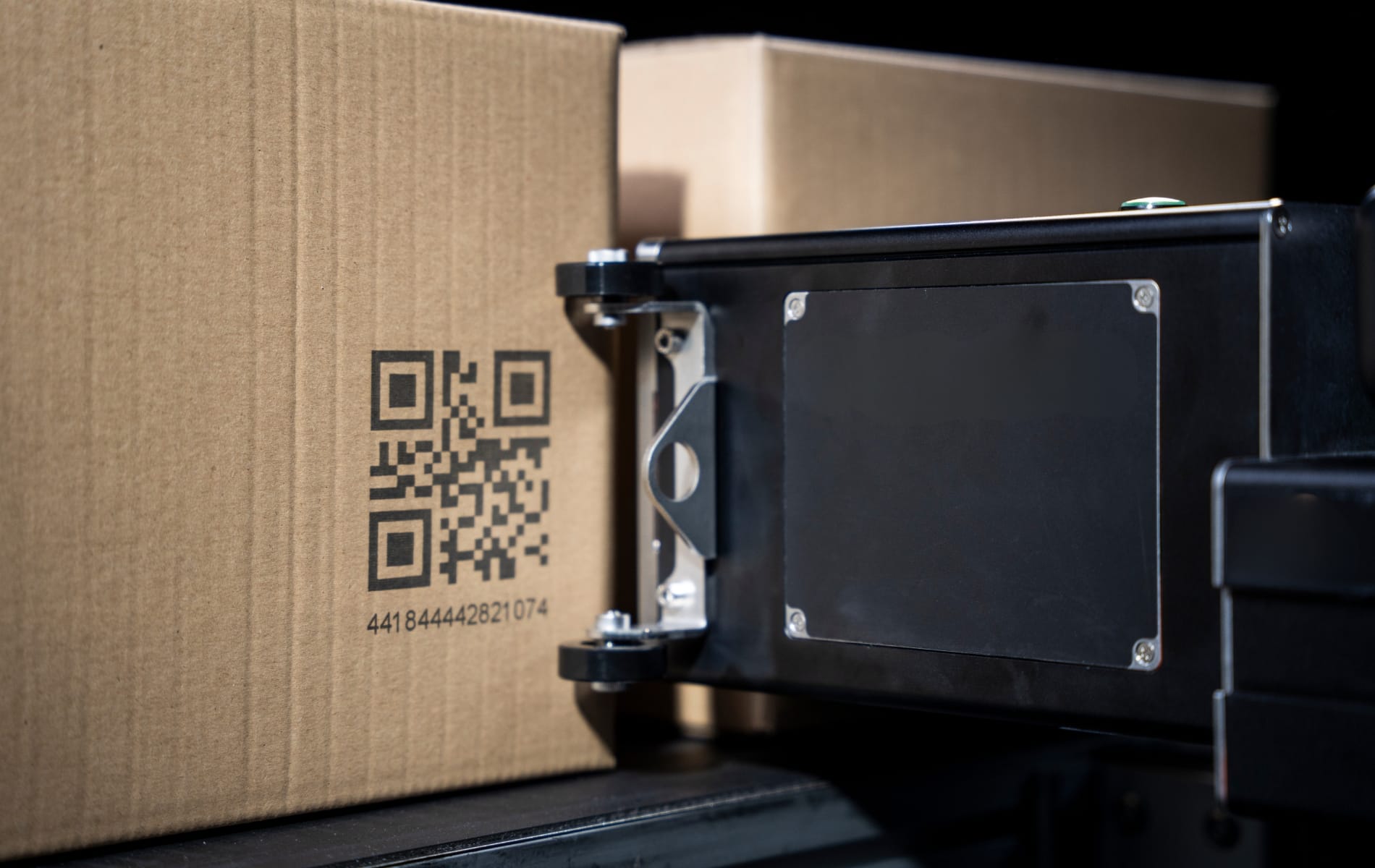
Traditional Barcodes are a thing of the past. 2D codes like QR codes (capable of holding a plethora of information) are the future on your products.
Imagine your customers being able to see everything about your product the moment they see it; there isn’t even the need for a google search. They can be confident in their decision to purchase your product, enhancing the engagement with your brand.
A standard product can become a gateway into your brand as a whole. A QR codes doesn’t just have to contain the standard origin, material information it can be data packed. No more having to include paper instructions for example, a QR code can take a customer to an official product instructional video that guides them step by step on how the product meets their need.
Why wouldn’t you want the customer to be more informed about YOU?
Did you know that 62% of customers are willing to spend more money on the same product if it offers detailed information at source?
The takeaway: the future of industrial inkjet is not a single technology. It is a smarter more connected approach that reduces errors, supports compliance and gives customers better information.
Ready to make your operation more compliant, efficient, and enhance your customer’s experience? Speak to the industry experts about automation, innovative industrial printing and the latest in compliancy today.
i-mark is the UK’s leading independent provider of automation in not being aligned to any one manufacturer allows for impartial, independent advice and guidance.