
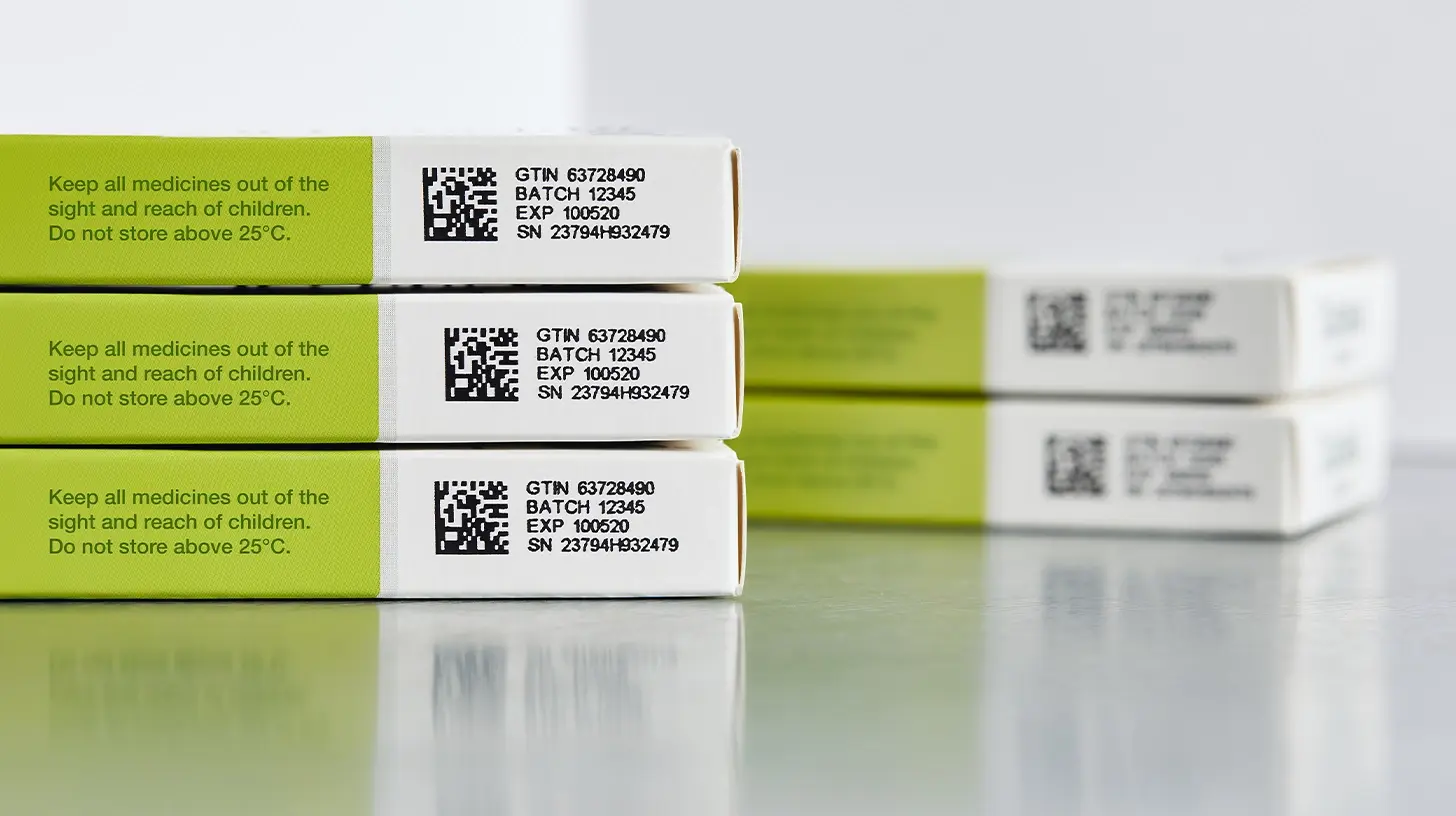
What is UDI?
Unique device identification or “UDI” is a global system that assigns each medical device or pharmaceutical product a unique code. This code typically includes manufacturer details, batch numbers, expiry dates, and other key data, supporting traceability and improving patient safety.
The UK used to align with EU-led initiatives such as the Medical Device Regulation (MDR) and In Vitro Diagnostic Regulation (IVDR), overseen by the European Medicines Agency (EMA). These frameworks helped to standardise UDI across Europe, streamlining compliance and distribution.
Brexit and UDI in the UK
However, Brexit introduced a fundamental shift. The UK’s departure from the EU brought with it a change in the regulatory frameworks. Responsibility for this has transferred to the Medicines and Healthcare products Regulatory Agency (MHRA). This change has resulted in a UK UDI system creating dual compliance obligations for manufacturers.
Whilst the objective remains the same, companies operating across both countries now face a challenge. Businesses operating in both the UK and EU must now navigate two sets of regulations, databases and labelling requirements. Products may now require two different UDI formats, regulatory approval, and packaging. This can delay product launches and increase production costs. It’s a key concern in industries where speed and accuracy are vital, especially pharmaceutical.
In the Pharmaceutical industry, where product integrity, regulatory scrutiny, and market access all hinge to on accurate data management. The dual UDI systems also place strain on packaging operations, shipping logistics and their quality control procedures.
Additional Challenges for UDI post Brexit
Additionally, the impact on supply chains has been significant. Manufacturers now must separate production and labelling processes to comply with both MHRA and EMA guidelines. As a result, equipment that can print UDI data dynamically is becoming essential.
For manufacturers and co-packers alike, this adds operational complexity and increased cost. Many production and packaging lines are adopting Thermal Transfer Overprinters (TTO) or Inline Thermal Inkjet systems (TIJ) that can print variable UDI data inline with high precision.
i-mark and your opportunity to innovate
While these changes have introduced short-term difficulties, they may also create long-term opportunities. A UK-based regulatory approach could offer more agility for local innovation; especially for European firms that are entering the market.
The level of flexibility a closed, smaller, system potentially offers could have an advantage for overseas pharma. This flexibility might lead to more streamlined processes in the long run, possibly making the UK market more attractive for pharmaceutical innovations in coming years. Again, this will necessitate additional UDI compliance, and the printing and labelling needed to take advantage of overseas markets with these products.
Still, the success of the businesses will depend on the manufacturers’ ability to stay compliant while maintaining operational efficiency. At i-mark, we help to future-proof your UDI strategy with robust, scalable coding solutions designed for these evolving regulations.
UDI has evolved. Is your coding and marking ready?